
James R. Lothian

Distinguished Professor of Finance

Toppeta Family Chair in Global Financial Markets

Fordham University


Director, Frank J. Petrilli Center for Research in International Finance

Categories
Sober living

11 Best Addiction and Sobriety Books

best addiction memoirs

Growing up on her family’s 25-acre farm in Maine, Erin French developed a lifelong passion for cooking and food. She worked as a line cook in her family’s diner and eventually became a professional chef herself, opening the world-renowned restaurant The Lost Kitchen. Along the way, single motherhood, a broken marriage, and an addiction to prescription pills presented obstacles that French wasn’t sure she could overcome. But she prevailed, thanks to the lessons first learned on the farm and the love and support of her community.

  • Former New York Times reporter Karoline Kan tells the story of three generations of women in Beijing, all willing and ready to defy the odds.
  • Louise Foxcroft chooses her best books on the history of medicine and addiction, looking at medical practices of the past, from treatment of madness and non-existent diseases, to drug use and the origins of hypochondria.
  • Developed by registered dietitians, this book takes a new twist on classic cocktails.
  • I cracked up laughing as many times as I nodded my head in knowing, alcoholic agreement.
  • Until I read this book, I felt a combination of broken (or, at the very least, defective) and hopeless.

The Body Keeps the Score: Brain, Mind, and Body in the Healing of Trauma by Bessel van der Kolk

The various accidental similarities between these books began, before long, to harden into a blueprint, which countless books have faithfully reproduced. Most are forgettable and forgotten, but some accomplished authors—like Caroline Knapp and Sarah Hepola—have created very good books by bringing real skill to the standard formula. Books provide the opportunity to learn from others’ experiences, their mistakes, setbacks, and successes. Authors like Russell Brand, Tiffany Jenkins, and Amy Dresner offer relatable, often humorous accounts of addiction and recovery. These stories demonstrate that setbacks are part of the process, and they offer lessons that can help others avoid similar pitfalls. Witnessing someone else’s award-winning career or life transformation after addiction can be incredibly powerful, reminding readers that they, too, can achieve great things.

Irritable Hearts: A PTSD Love Story by Mac McClelland

  • I want to know what the science says but also how other people have applied that knowledge in ways that actually helped them quit.
  • This book offers inspiration for alcohol-free drinks and activities, and tangible tips on how to navigate a month (or beyond!) without alcohol.
  • Nina Renata Aron’s relationship with her boyfriend is a passionate fairy tale, right up to the day he relapses.
  • Bydlowska’s memoir is an eye-opening account of her relapse, the many ways she justifies her “mommy needs wine” moments, and her eventual second recovery.
  • Gilbert helps us understand the noisy voice in our head, which can often be our greatest critic.
  • When she’s a child, we’re presented with the world as a child might see it.
  • This gem of a book by Clare Pooley is a nice departure from the intensely introspective books I just mentioned.

In this post, we’ve put together nine of the best addiction memoirs and quit lit books for you to check out. From painfully honest stories to science-based tips, there’s a title on this list that’s sure to inspire and motivate you or someone in your life. With a reputation for hilarious honesty, as read in previous memoirs detailing her struggles with everything from mental illness to single life, Bryony Gordon is true to form in this detailed account of her alcohol-fueled best addiction memoirs downward spiral.

Lifechanging Books on Addiction & Recovery

  • She’s brilliant in writing and shares many actionable tips and strategies.
  • If you read enough addiction memoirs, the genre’s particular narrative cadence become easy to spot.
  • After his descent into addiction, we follow Clune through detox, treatment, and finally into recovery as he returns to his childhood home, where the memory disease and his heroin-induced white out begin to fade.
  • After graduation, she begins dating the town’s deputy sheriff.
  • Subtitled “Remembering the Things I Drank to Forget,” Hepola’s debut memoir is a vulnerable story about refocusing her attention from finding her next drink to learning how to love herself without liquid enhancements.

When I stopped drinking alcohol, I was desperate to know the stories of other people who’d also taken this road less traveled. During the most unsettling time of my life, I craved all the messy, tragic, complex, wonderful stories that could show me what was on the other side. Nobody in my real life could meet that need, so I turned—as I always do when I need comfort, encouragement, or inspiration—to books. Having said that, I did—while reading Ditlevsen’s Dependency—occasionally need to put the book down and take a few deep breaths. Even the second time around I found it so viscerally powerful that at times I was overwhelmed.

best addiction memoirs

Science Daily: Mind & Brain

Mikel Jollett, front man for the band The Airborne Toxic Event, has endured more than most of us can imagine. As a child, he and his family were members of the Church of Synanon, an abusive cult that separated children from their parents. After years of isolation, his mother finally decides to escape with Mikel and his brother.

Drink: The Intimate Relationship between Women and Alcohol by Ann Dowsett Johnston

best addiction memoirs

Here, Nikki shares the https://ecosoberhouse.com/ diary entries—some poetic, some scatterbrained, some bizarre—of those dark times. Joining him are Tommy Lee, Vince Neil, Mick Mars, Slash, Rick Nielsen, Bob Rock, and a host of ex-managers, ex-lovers, and more. Well, of course I tried my best to steal from them whatever I could.

This Naked Mind by Annie Grace

best addiction memoirs

She takes the reader on a very humbling journey through her recovery and experience with AA where she (rightfully so) gets knocked off her high horse and into a reality that I believe saves her from herself. In a brilliant Sobriety narrative style, she constantly flips back and forth between her personal story and the history of the alcoholic creatives who came before her, their lives intersecting in fascinating ways. For the first time in my life, I could relate to another person’s experience with drinking. I felt understood and seen in both the best and worst ways. I am not sure I’d be sober today if it weren’t for Tired of Thinking About Drinking. Belle’s consistent messaging on our faulty thinking led to a major mindset shift for me.

Categories
Sober living

Low Carb Diet Tips & Basics Ketosis & Ketone Test Strips

alcohol ketosis dangerous

While these drinks may not provide carbohydrates, the body can still turn alcohol into usable energy. Alcohol can interrupt the state of ketosis and slow down the fat-burning process. Ketosis is a metabolic state where the body uses fat for energy instead of carbohydrates. When there is a lack of carbohydrates, the liver converts stored fat into ketones, which are usable forms of energy.

alcohol ketosis dangerous

Kid-Friendly Low-Carb Foods: Optimizing Nutrition in Children

Additionally, alcoholic beverages like beer, certain wines, and cocktails with mixers are often loaded with carbohydrates, which can cause the body to exit the state of ketosis. Many people who want to shed pounds come to ketogenic eating and are delighted that, unlike many diets, alcohol isn’t strictly forbidden when going low carb, high fat. While it may slow weight loss for many people, the occasional glass of dry white or red wine, champagne, or even distilled liquor may be okay — as long as it has no sugar. For the best options, see our guide, Top 5 low-carb alcoholic drinks. When following a ketogenic diet, alcohol can interrupt the state of ketosis and slow down the fat-burning process. This is because the liver focuses on metabolising alcohol instead of converting stored fat into ketones.

alcohol ketosis dangerous

The Ketogenic Diet and Alcohol Tolerance

  • Here is everything you need to know about what your weekday happy hour is doing to your keto macros along with the best and worst keto drinks to indulge with.
  • The best keto alcohol drinks contain zero carbohydrates or only small amounts and provide few calories overall.
  • Let’s look into specific types of alcohol more and categorize them into the good, the bad, and the downright ugly to help you make informed choices.
  • Stick around as we break down which alcohols are keto-friendly and how you can enjoy a drink while staying on track.
  • The cells use the insulin from your pancreas to process glucose and create energy.
  • Hard spirits are the most ketogenic-friendly alcohol options because they essentially contain zero carbohydrates.

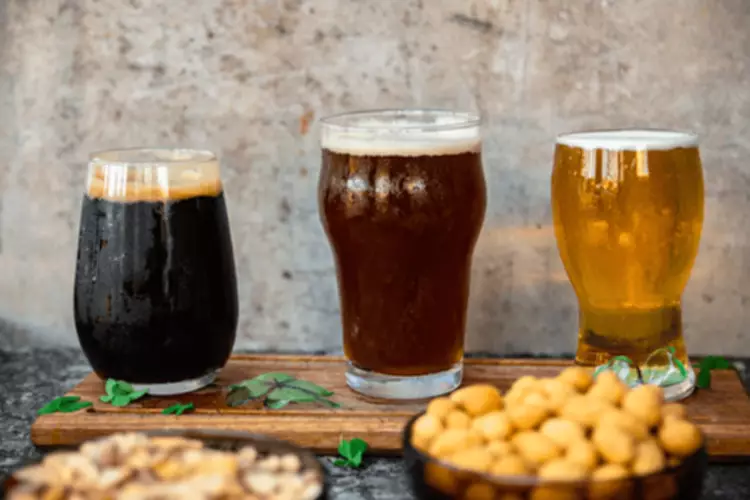
Both dehydration and electrolyte imbalance can occur when you drink alcohol and when you’re in ketosis, creating the perfect storm for intense hangovers. However, you can minimize the downsides of drinking alcoholic beverages on a ketogenic diet. If you are following a ketogenic diet, it is best to avoid beer or limit your intake of it. If you do choose to consume beer, be mindful of how it may affect your blood sugar and ketone levels, and consider choosing a lighter beer. Ketosis is a metabolic state in which your body burns fat for fuel instead of carbohydrates. When you eat a low-carb diet, your body’s glucose levels decrease, and it begins to break down stored fat for energy.

Addiction Treatment Programs

To treat alcoholic ketoacidosis, doctors give people thiamine (vitamin B1) by vein (intravenously) followed by intravenous saline and glucose solution. Other vitamins and minerals, such as magnesium, are added to the saline solution. Avoid sugary mixers like regular tonic water, fruit juices, and pre-made cocktail mixers, as they’re loaded with carbs and will kick you out of ketosis in no time.

  • If the vomiting and starvation go on for a day or more, the liver’s normal stores of sugar (glucose) decrease.
  • A portion of the amount that was consumed will easily pass through the blood-brain barrier, reach the brain, and bind to the GABA receptors as mentioned above.
  • The dextrose will also increase glycogen stores and diminish counterregulatory hormone levels.
  • Combine your favorite hard liquor with a splash of lemon or lime juice and a carbonated, sugar-free mixer for the ultimate zero-carb cocktail.

alcohol ketosis dangerous

While drinking straight alcohol in moderation is fine, drinking too much and too often or mixing drinks with fruit and sugar will negatively impact your health. If you’re following the keto diet, you may be wondering if alcohol is allowed. The answer is yes – you can drink alcohol on the keto diet, but there are a few things to keep in mind. There are also a lot of myths and misconceptions about drinking. Isopropyl alcohol, often known as isopropanol, is a clear, colorless liquid with an odor similar to that of acetone.

  • To keep the carb count and calories low sip on alcohol straight in a martini or on the rocks, or mix these options with calorie and sugar-free beverages like soda water, fresh citrus, diet soda, etc.
  • Also note that many people get more sensitive to alcohol on a ketogenic diet.
  • Excessive drinking damages the pancreas, impacting insulin production.

Treatment / Management

  • When your body is producing ketones, and using them for fuel, this is called “ketosis”.
  • Until all the alcohol has been processed, the body will not produce ketones from fat, slowing down the fat-burning process and potentially slowing down weight loss.
  • To achieve ketosis, you need to drastically reduce your carbohydrate intake and increase your fat consumption.
  • Whether this is due to glycogen depletion or a loss of water weight during Keto is unclear.
  • Each of these situations increases the amount of acid in the system.

Hard spirits are the most ketogenic-friendly alcohol options because they essentially contain zero carbohydrates. Remember it’s not so much the alcohol but the mixers that rack up the calories and alcohol ketosis dangerous carb content. In this state, the body turns fat into ketones in the liver, which can supply energy for the brain. Ketones are three water-soluble molecules (acetone, acetoacetate, and beta-hydroxybutyrate) that are produced as by-products when fatty acids are broken down for energy.

alcohol ketosis dangerous

When the body is in ketosis, it uses fat for energy instead of carbohydrates. The liver is the main place in the body where alcohol is broken down. About 25% of the alcohol in an alcoholic drink is absorbed straight from the stomach into the bloodstream.

Spirits

If it does, adjust the rest of your macros and account for it in your meal plan. Almost every bar stocks diet soda and club soda, so you can usually get a low-carb drink. Diet Coke and other brands are OK on Keto, and won’t kick you out of Ketosis. However, these brands are loaded with artificial sweeteners and ingredients that we wouldn’t recommend to anyone trying to keep their diet ‘clean’. Gin is also a big favourite of keto followers being zero carbs. heroin addiction Gin is a distilled spirit that is flavored with juniper berries and other botanicals.

Categories
Sober living

PDF The Biopsychosocial Model of Addiction

This model provides a holistic framework for exploring the causes, progression, and treatment of addiction. When evaluating medication adherence levels of individuals with chronic diseases, healthcare professionals should not forget that it is a multidimensional concept and should be evaluated together with psychological, social, and spiritual variables. Healthcare professionals can lead initiatives to develop and promote education and counseling services that are designed to empower patients and equip them with the knowledge and skills needed to manage their chronic conditions effectively.

While research of this kind raises important issues about identity, and notions of health and illness, the outcomes have implications for drug policy, health care systems and delivery, and treatment for substance use problems. When neurogenetic attributions are presented in the clinic, pharmacological treatments are often believed to be a more effective option over psychotherapy (Phelan, Yang, and Cruz-Rojas 2006). This attribution could sway those who assign the cause of their addiction to be exclusively neurological or genetically based, and not necessarily evaluate the risks and benefits of pharmacotherapy, psychotherapy, or receiving both as combination. These causal neurogenetic attributions have led some authors to advocate for involuntary treatment in addiction, arguing that, paradoxically, autonomy must be denied, “in order to create it” (Caplan 2008).

This SMART Recovery site doesn’t match your location

Childhood trauma lead to a impaired social support, which makes it difficult to achieve self-reconstruction and meaning in life. This study aimed to advance our understanding of how childhood trauma impacts meaning in life by testing the mediating roles of social support and core self-evaluations in a sample of junior high school students. The findings demonstrated that social support and core self-evaluations acted as a mediator between childhood trauma and meaning in life among high school students, respectively. Moreover, a chain mediation of social support and core self-evaluations the relationship between childhood trauma and meaning in life were also confirmed. The negative impact of childhood trauma on adolescence’ meaning in life has become a widely concerned topic. The junior high school students are still at a critical stage of developing their meaning in life.

How Does Treatment Look Like With the Biopsychosocial Model?

Social influences can have a profound effect on biological and psychological components. Chronic stress from difficult life circumstances can literally change brain structure and function, while also impacting mental health. Mental health disorders can alter brain chemistry and affect social relationships.

biopsychosocial theory of addiction

Systems theory, therefore, balances reductionism and the intrinsic heterogeneity within systems. There are several processes that actively contribute to substance use with inputs and outputs on biological and psycho-social levels. One example is drug craving that may be experienced as strong, intense urges for immediate gratification that may impair rational thought about future planning (Elster and Skog 1999).

biopsychosocial theory of addiction

What Causes an Addiction? A Deep Dive into the Biopsychosocial Model of Addiction

In a study conducted on patients with hypertension, it was determined that the level of spiritual well-being decreased as age increased (Aşiret & Okatan, 2019). In a study conducted https://komps.ru/sl/kak-rabotaet-prilozhenie-taksi-maksim-dlya-voditelei.html with individuals with chronic diseases, it was concluded that the level of spiritual well-being decreases as age increases (Kütmeç Yılmaz & Kara, 2021). This situation can be explained by the importance of religion in the society where the study was conducted.

Each tile represents a different aspect of addiction theory, some gleaming with the polish of well-established ideas, others still rough and unfinished, waiting for future research to smooth their edges. This mosaic isn’t just a static piece of art; it’s a living, breathing entity that shifts and changes as our understanding grows. We’ve all heard the saying “you are the company you keep,” and when it comes to addiction, this can be particularly true. Mental health disorders and addiction often go hand in hand, like peanut butter and jelly – except far less delicious and far more destructive. Depression, anxiety, PTSD – these conditions can both contribute to and be exacerbated by addiction. It is the integration of biological data and psycho-social, narrative, family information, and clinical phenomenology that will make way for more precise forecasting and earlier diagnosis than is possible today.

The brain disease model further implies simplistic categorical ideas of responsibility, namely that addicted individuals are unable to exercise any degree of control over their substance use (Caplan 2006, 2008). This kind of “neuro-essentialism” (Racine, Bar-Ilan, and Illes 2005) may bring about unintentional consequences on a person’s sense of identity, responsibility, notions of agency and autonomy, illness, and treatment preference. The current study extended previous literature to further clarify how childhood trauma lowers the subsequent meaning in life of junior high school students via social support. As hypothesized, social support constituted the mediating processes through which childhood trauma led to meaning in life. According to PTG model, the availability of social support resources and the relational network are of particular importance to facilitate PTG.

Finding Alternatives to Drug Cultures

This is one path to follow for new opportunities for treatment and intervention directed toward prevention. Accordingly, an analysis of the ethical, legal and social issues around other problems of addiction, such as prescription opiate misuse for pain management, may also be examined within the context of our proposed framework. Giordano, A. L., Prosek, E. A., Stamman, J., Callahan, M. M., Loseu, S., Bevly, C. M., Cross, K., Woehler, E. S., Calzada, R.-M. R., & Chadwell, K. All the data were collected between March and April in 2023 on the period of https://www.watchuonline.com/2023/11/15/news-for-this-month-16/ a high – risk psychological problems during spring enrollment.

Implications for Healthcare Professionals

The disorder becomes a source of pride, and people may celebrate their drug-related identity with other members of the culture (Pearson and Bourgois 1995; White 1996). Social stigma also aids in the formation of oppositional values and beliefs that can promote unity among members of the drug culture. However, it is essential to recognize that personal responsibility alone is not sufficient for overcoming addiction. Treatment and recovery approaches based on the Moral Model alone may be inadequate, as they do not address the multitude of factors contributing to addiction. For example, solely focusing on an individual’s moral character or willpower may overlook the need for medical interventions, psychological therapy, and social support, which are crucial components of successful addiction treatment. Theories of addiction, like threads in a tapestry, weave together biological, psychological, and sociocultural factors to create a complex and captivating picture of how individuals become entangled in the grip of substance abuse and compulsive behaviors.

For instance, societies that have more permissive attitudes towards substance use or glamorize addiction may be more likely to see higher rates of substance use disorders among their populations. Research has consistently demonstrated the impact of social, cultural, and environmental factors on addiction. For example, studies have shown that individuals who grow up in households or communities with high rates of substance use are more likely to develop addiction themselves. Additionally, it has been found that substance use and addiction are more common among individuals who experience socio-economic disadvantage, social isolation, or discrimination. It’s important to remember that social and environmental factors interact with biological vulnerabilities. For instance, someone with a genetic predisposition to addiction may be more likely to develop an addiction if they also experience significant childhood trauma.

  • By identifying risk factors across biological, psychological, and social domains, we can develop more effective prevention strategies.
  • “Multidimensional Perceived Social Support Scale” was used to evaluate the social dimension.
  • Each tile represents a different aspect of addiction theory, some gleaming with the polish of well-established ideas, others still rough and unfinished, waiting for future research to smooth their edges.
  • Our study results showed that psychological, social, and spiritual factors have a relationship on medication adherence.
  • This study aims to explore the impact of childhood trauma on meaning in life among junior high school students, as well as the mediating role of social support and core self-evaluations.

Social / Environmental Causes of Addiction

In conclusion, the Social Model of addiction offers a valuable perspective on the role of social, cultural, and environmental factors in the development and maintenance of addictive behaviors. By addressing these factors through community-based interventions and public health policies, we can create more supportive environments that promote healthy behaviors and reduce the risk of addiction. However, it is important to consider the Social Model in conjunction with other models of addiction, as a comprehensive understanding of addiction requires the integration of biological, psychological, and social factors. Advances in neuroscience are changing how mental health issues such as addiction are understood and addressed as a brain disease.

As our understanding of addiction has grown, so too has the recognition that no single theory can fully explain this complex phenomenon. Enter the integrative models, which attempt to weave together various strands of addiction theory into a more comprehensive tapestry. It suggests that people might turn to substances to alleviate underlying mental health issues. It’s a bit like trying to fix a leaky roof with duct https://www.falntyna.com/overwhelmed-by-the-complexity-of-this-may-help-4/ tape – it might seem to work in the short term, but it’s not addressing the real problem.

biopsychosocial theory of addiction

Think back to the beginning days of the COVID-19 pandemic and how many people were negatively impacted by the social gathering restrictions. Some people used increased their substance use to cope with the isolation.(31) Some people used technology to connect with family, friends, and even with their workplace. There are many theories that hope to explain why individuals use and abuse substances. Theories can also help with interventions, treatment, prevention, relapse and recovery. Long-term recovery management using the biopsychosocial model is about more than just achieving initial sobriety. This might involve continued therapy, support groups, lifestyle changes, and regular check-ins to address any emerging issues.

This means that the person needs more and more of the addictive substance or behavior to experience the same level of pleasure. Wolfram Schultz et al., in their 2000 study titled ‘Dopamine reward prediction error signal in primate dopamine neurons, ’ show that our brains release dopamine when humans engage in pleasurable activities. Dopamine signals to the brain that something good is happening, motivating us to repeat the behavior.